Bachelor of Communication (Hons)
in Journalism and Digital Media
- Journalism Concentration
傳理學學士(榮譽) - 新聞與數碼媒體主修
- 新聞專修
Year 3 Entry – Post-Secondary
| Programme Code Non-JUPAS: *BCOMM JOUR & DM JOUR (GEN) | Duration of Study | Mode of Study | Class Start Date |
Medium of Instruction
The medium of instruction for classroom teaching (in all forms) at HKBU is English, except for those courses that are granted exemption.
Fund Type
Government Funded
Credits Required for Graduation
128
The Journalism concentration aims to prepare students for a career in Chinese-language media or international media that operate in English.
Both concentrations share Major Core and Major Elective Courses in three areas: (1) professional journalism skills of gathering, presenting and producing news and current affairs reports; (2) conceptual understanding of the journalism profession and its role in society; and (3) the relationship between journalism and society as well as the way politics, government, business and law operate in both local and international communities.
Students of the Journalism concentration can choose to specialise in: Chinese Journalism, International Journalism, Broadcast Journalism or Financial Journalism, subject to resource and course quota constrain. Courses in each specialisation stresses the particular language and professional skills appropriate to that field. At the end of the programme, every student has to produce a final-year project that integrates their conceptual and practical journalism knowledge.
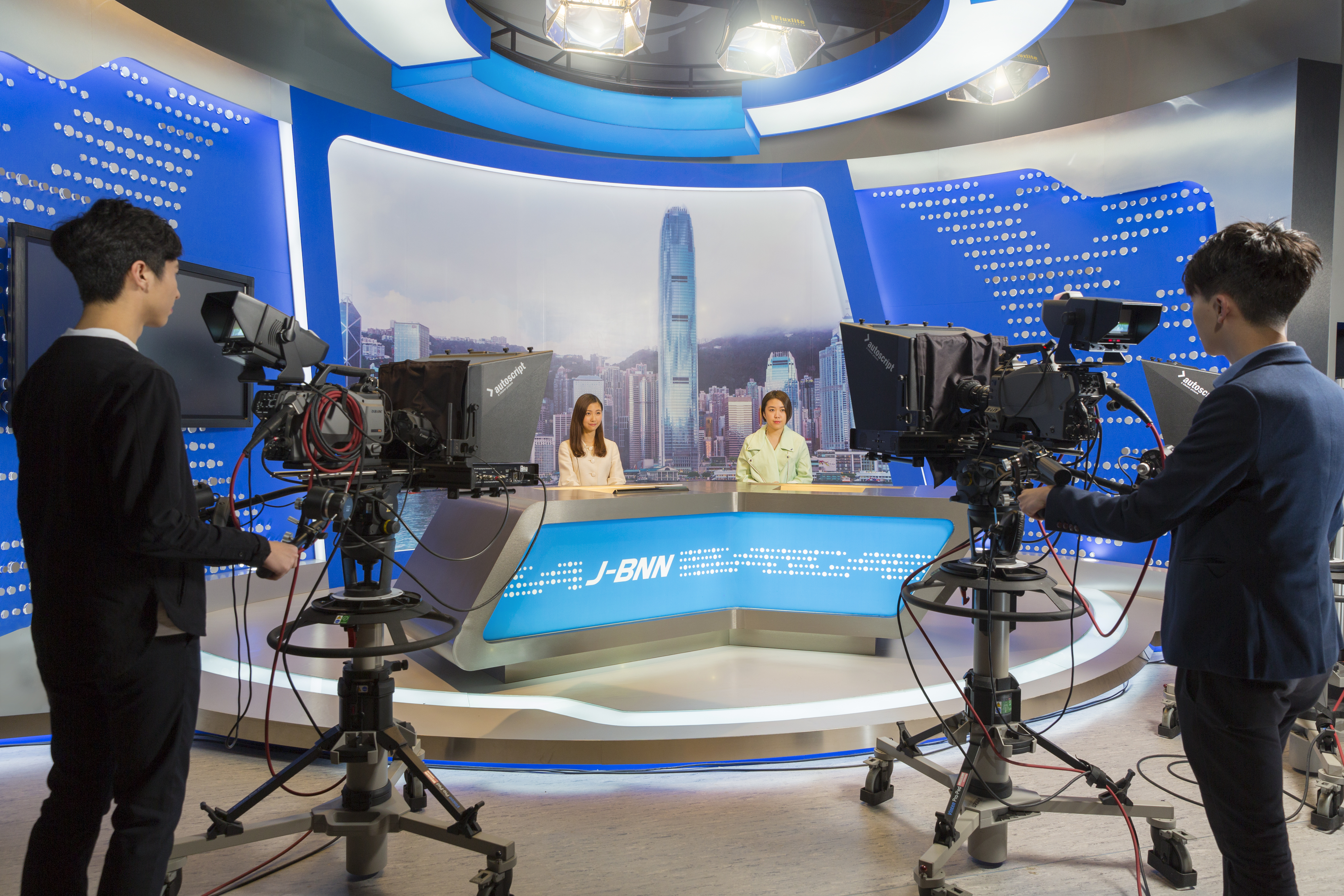
An essential component of journalism education is developing students' ability to write and edit well, and to produce quality print, broadcast and multimedia news stories. Practice for all journalism students is provided by different workshops in different formats, including San Po Yan (in Chinese), Broadcast News Network (in Chinese), The Young Reporter (in English), The Young Financial Post (in Chinese and English) and DataStory (in English). While necessary supervision is provided, students are allowed a high degree of autonomy in deciding which stories to pursue.
Every year, many students broaden their horizons by going on exchange to universities in Europe, North America and Asia as well as the Mainland and Taiwan. A considerable number of foreign students also come to study alongside local students at the Department, giving it a multicultural atmosphere. The Department regularly organises overseas reporting trips to let students explore journalism across borders and cultures. In recent years, our students have visited Spain, Germany, Taiwan and Rwanda.
Students in the Journalism concentration and Data and Media Communication concentration (Financial Journalism Stream) are required to undertake a professional internship at local or international media. Internship is not required for students in the Data and Media Communication concentration (General Stream), but will be arranged for them if they wish, subject to availability of intern positions.
Students are encouraged to go on exchange study at one of the many universities we partner with around the world. Overseas study tours and other cross-cultural learning experiences are regularly organised to broaden students’ horizons.
Many graduates of the Journalism and Digital Media Major become reporters, editors, correspondents and producers in print, electronic and online media. Others move into related fields such as public relations, marketing, business and commerce, government service and education.
A good number of our graduates are winners of prestigious local and regional media awards. Many have obtained scholarships to pursue postgraduate studies in Hong Kong and abroad.
Programme Contact Information
Enquiry
School of Communication